Categories
Education Travel

“Neural Audio,” or, “What I Did This Summer”

I’ve had a few people1 ask me what, exactly, I was doing all summer, off in Louisiana. As a programmer, being efficient is sort of the goal of everything I do; as such, doing a single write-up here and then sending that link to people makes more sense than answer the question over and over.2
I spent the summer working at a National Science Foundation-funded Research Experience for Undergraduates at the Center for Computation and Technology at Louisiana State University.3 It’s a pretty cool setup they’ve got at the CCT4 – it’s not an academic unit, it’s a research group only. The building has all sorts of handy resources – all of us in the program had access to both a shared workspace for the REU students and our own individual workrooms, which varied depending on our project.5 The exciting new thing for me was the server room, which I had access to.6 There were a few machines of interest in there – HIVE, a cluster-in-progress that was devoted entirely towards art that required high-powered computation, and Titan, a machine designed for use with neural networks.
This is where I lead in to my specific research program, which wound up being titled “Neural Audio,” as above.7 The goal was basically an exploration of the use of deep neural networks for music information retrieval.
Whoops, went a bit jargon-heavy. Let’s break it down.

Deep Neural Networks

You may have heard about this one before – neural networks are the current big thing in artificial intelligence. Google uses them to power a lot of things, but the big one people have heard about is Google Photos, where deep neural networks provide the incredible search features.8 As you might guess from the name, they’re based off the structure of the human brain:9 a bunch of nodes, connected by weighted edges, which are the neurons and synapses of the artificial brain.10 Now, what’s cool about machine learning is the training: instead of sitting down and writing an algorithm to perform a task, you just build up a big data set of questions and their paired answers. Then you feed it into the system, and it learns11 how to answer the questions.
Of course, it’s not that open-ended- you can’t drop the works of Shakespeare in there and expect it to write a paper analyzing his writing style.12 They work best with categorization – you give them a set number of categories, and the network can tell you either which category something belongs to, or the percentage chance that thing falls into each category.13
Beyond that, there’s nothing fancy about neural networks – they’re just a software construct used to do a heck of a lot of math, the end result of which is an algorithm that no human could’ve designed. Cool stuff.

Music Information Retrieval

The field of MIR isn’t new, they’ve been around for a while doing cool things. It really does what it says on the tin: the idea is to be able to feed a piece of music into the software and receive useful information about the music out. Software that can recognize the key of a song being played or identify the speed at which the piece is being performed are good examples of this.14

Combining Them

My work was basically looking into combining these two fields. Machine learning can do some cool stuff, the idea went, so why not try applying it to music?
This took two forms: trying to identify the genre of a piece, and trying to identify the instruments playing in a piece.
It’s here that I’m going to hand off the explanation to another thing I was working on this summer, though as a test subject rather than a researcher: the digital poster. One of the other research groups at the CCT was working on a system to modernize the poster presentation, a staple of scientific conferences. I had the opportunity to be one of the trial-run students for the digital poster, and wound up putting together an online version as my way of wireframing what the final product would look like. Being me, I made my wireframe look just as good as the ‘official’ one, and wound up posting the whole thing online and providing a QR code on the paper poster15 that linked to the online site.

Wrap-Up

While the summer, and thus the time I had at LSU, came to an end, the work didn’t. I’m still16 trading emails with my mentor, and I’m hopefully going to be attending another conference at some point to talk about my work. In the interim, I hope to be able to get some additional work done, maybe get some more interesting data out of the machines. It’s a goal, and time will tell how well I’m able to accomplish it.
That’s about all I’m going to write here – if you want to know more, you can check out the digital poster, and if that doesn’t get you enough information, you can fire me an email, it’s grey (at) this site.17


  1. Reasonably 
  2. If I were teaching a computer science course, the first thing I’d say would be along the lines of “‘efficiency’ is just a codeword for ‘laziness that won’t get you fired.’” 
  3. Or “LSU CCT NSF REU” for out-of-order short. 
  4. I hope you read the last footnote, because I’m going to be using these short-forms of the names throughout. Efficiency! 
  5. One person had a few offices shared with graduate students working on the same program; another had a Mac lab to themselves; I was given the key to a media lab on another floor. 
  6. I found this oddly entertaining after I had to let one of the IT staff in there to reboot a server following a power failure. 
  7. I kept trying to make it “neural audio,” because I’m a millenial and thus hate capital letters, but I was overruled by my mentor. Probably for the best. 
  8. Seriously, the fact that I can search for someone’s name and have it accurately spit out a list of every photo I’ve taken with them in it is seriously impressive. The fact that I can ask for stuff like “mountain” or “car” and also get accurate results? Mind-blowing. 
  9. Though, it’s important to note that they’re not based off an accurate/current idea of how the human brain works; we’re computer scientists, not biologists. 
  10. The weighting of the edges is important, as that’s where all the magic happens. Each node, simplified down, is performing an averaging operation over all of its inputs. The output is then passed along the edges, and transformed by the weight of that edge, creating the new input for the next node. 
  11. Using a system called Stochastic Gradient Descent, which I find to be a very elegant solution the problem. (I recommend reading the previous footnote before this one.) Learning, via training goes like this: you feed the network an input, and the randomized initial weights do the processing and spit out an answer. That’s probably not the right answer, so the network will change the weights in a random ‘direction,’ and then try again. If it’s closer to the right answer, the network will change the weights in that direction again; if it was further away, it’ll try a different direction. The process of training is just repeating that operation over and over and over again. 
  12. Although, entertainingly, you can drop the entire works of Shakespeare into a neural network and have it make a spirited attempt at creating a new work in the style of Shakespeare. 
  13. That’s called softmax, and it’s pretty handy. I looked at using changing softmax results over time as a way of extracting metadata from music. 
  14. Entertainingly, some of the best examples of MIR arguably aren’t MIR at all: Gracenote, for example, the system that allows the ‘smart’ stereo systems in cars to figure out what CD you’ve just put in, is based on a ‘CD fingerprint’ that looks at the length of the tracks and when each one starts. It is possible, with a lot of effort, to design a CD that will show up as being something entirely different than it actually is. 
  15. We were all required to make traditional paper posters, regardless of our use of digital posters. 
  16. Infrequently, because time zones. 
  17. I’m not dumb enough to put my email address up on the open web, c’mon. I already get way too much spam email. 
Categories
Austria

Flakturm

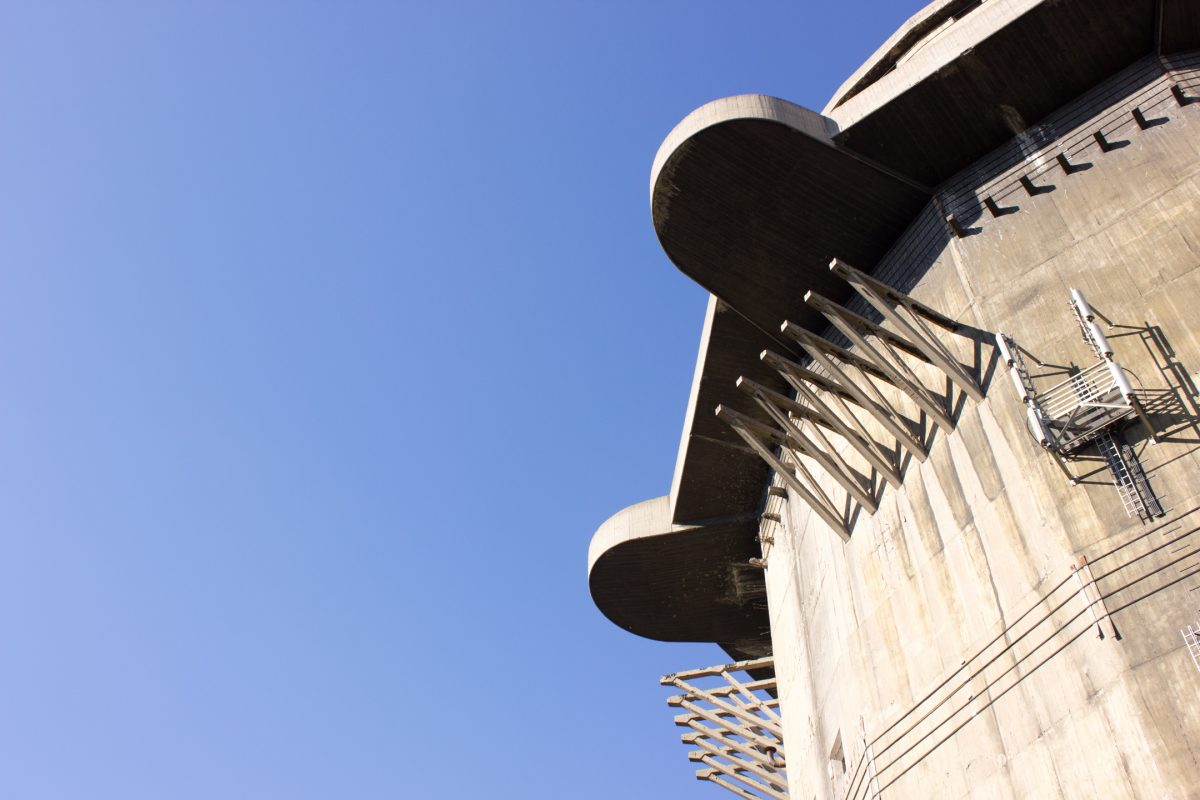
I have done a lot of German class this week. Can the human brain overflow? I think mine is going to overflow.1 We also started our Regular Classes, which was pretty fun – we’ve got the Austrian Cultural History one that I believe I’ve mentioned previously2 and another one – Politics of European Integration – that I find fascinating. There’s been a lot of talk about what the European Union is and how it’s all structured.3 It’s very cool.
Basically, they’ve been keeping us very busy learning enough of the language to (hopefully) survive. I think it’s been a bit of a success – Paris and I managed to successfully order food at a restaurant today, and what more do you really need?4
That doesn’t mean I haven’t had a chance to get out a little bit; yesterday, Alyssa walked down the street and yelled at me to go outside, and we wound up going by the big park right by where we live. And today, she and I went up and made a spirited attempt to walk around the Ringstraße5 that ended up with us wandering around the Kunsthistorisches Museum,6 and then somehow meeting Paris and Sierra for lunch in the Second District. Fun was had, and pictures were taken:

Categories
Austria

Donau

It’s been, like, three whole days since my last post. This probably seems like a long stretch to people who’ve gotten used to my post a day thing, but I can’t exactly keep that pace up now that I’m back in the Real World.1 If I were to hazard a guess, one a week is going to be more realistic an expectation to have.2
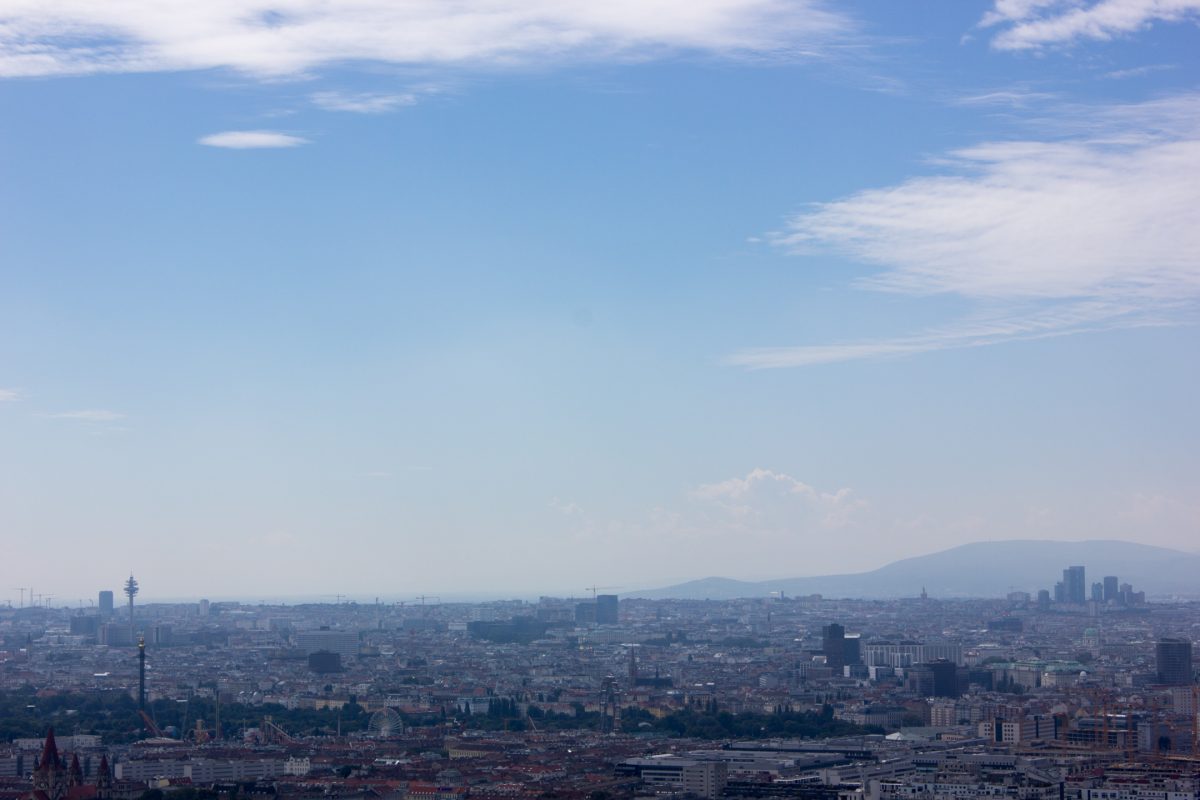
Administrative stuff out of the way, though, because it’s time to see some of Vienna. It’s a pretty city, folks! I saw a really cool library the other day, but no pictures for you because I didn’t plan on going there and thus didn’t bring my camera.3
Okay, I’m done teasing you. Today, Anna and I headed out towards the end of the U14 to explore the parks around the Danube.5
It actually took us a while to get started – we were planning to meet at the Donau Zentrum which we were assuming was a park – “Danube Center,” right? But no, it was actually a sprawling mall complex like half a mile from the river. Whoops. Next time we’re meeting at the metro station.
But once we got to the river, hoo boy, was it pretty.

Categories
Austria

Salzburg

Today was the last day of our ‘around Austria’ orientation program.1 We had an early breakfast2 and then hopped aboard a train to Salzburg.
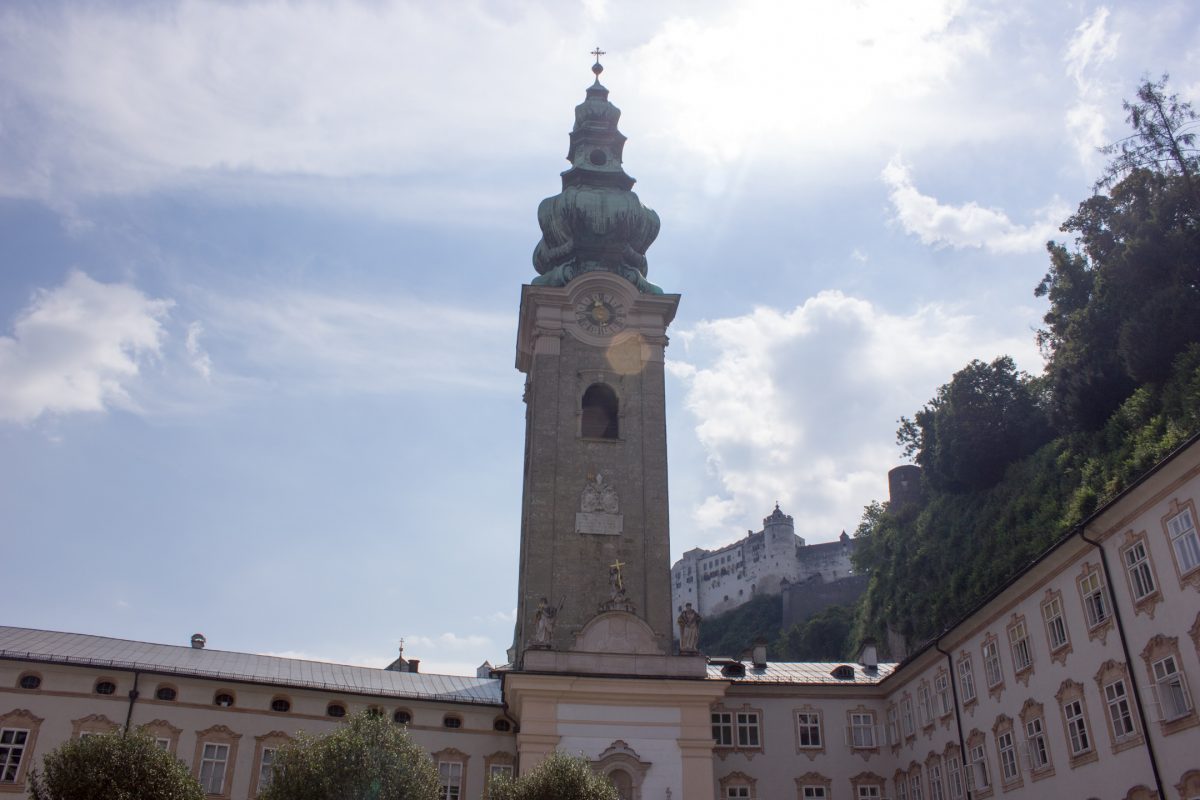
We were met at the platform by our tour guide, who gave us a few minutes to find some lockers to leave our luggage in before we were off. The tour was… I’d say interesting, but to be honest the man had a gift for finding the least interesting thing about all the locations we visited. And while he tried to crack some jokes, they ranged from falling flat to downright cringe-inducing.3 I suspect the tour company is going to be getting some unhappy phone calls tomorrow.
But hey, that aside, Salzburg is a pretty city, and we managed to see a good amount of it despite how tired we all are.4 Have some pictures:

Categories
Austria

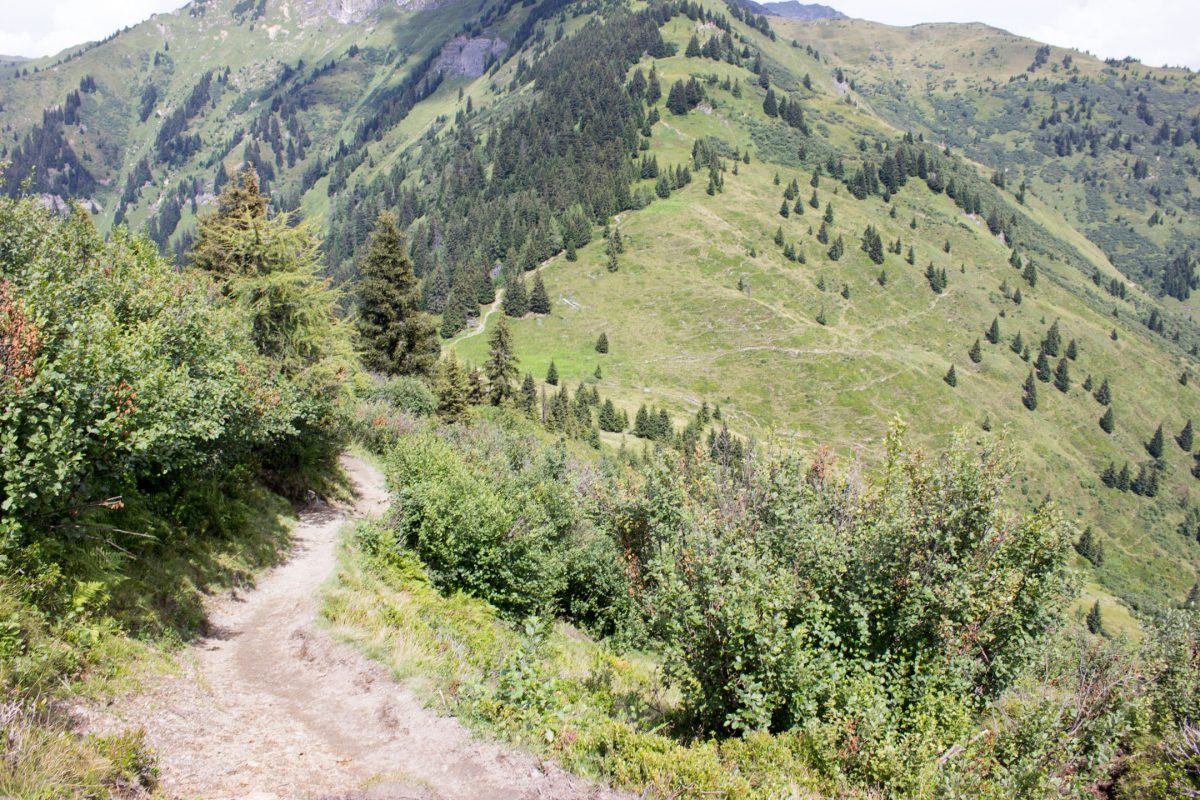
Altitude

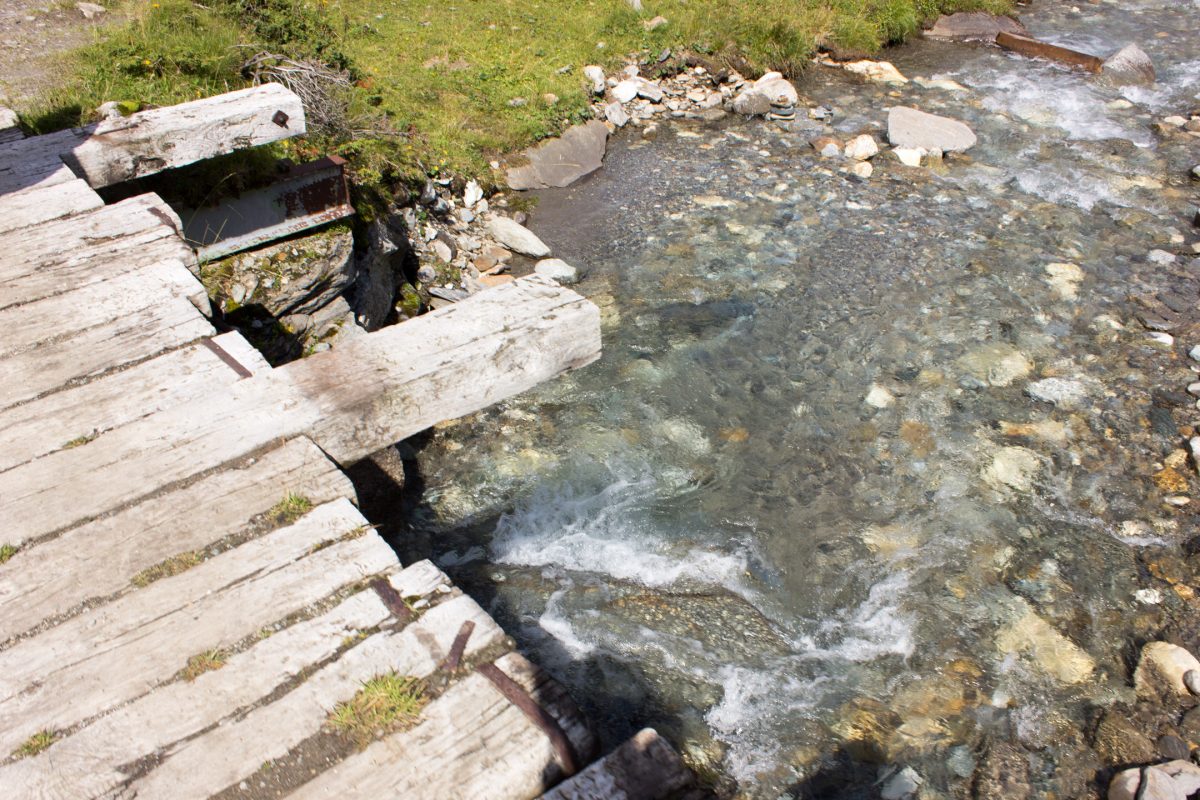
Today was a trip up almost as far as yesterday, though this time the climb was done by bus instead of suspended gondola.1 We wound up in Sportgastein, the far end of the Gastein valley, in an area that’s set up for a mix of skiing and farming with no actual permanent residents. It’s an interesting shared space – any of the farmers of the valley can bring their livestock there to graze.
Of course, being a mountain valley in Austria, it’s pretty like you wouldn’t believe. Seriously, the first picture I’m going to show you is titled “Hobbiton” because it kinda makes me feel like I’m in a movie scene.

Categories
Austria

Mass on the Mountain

We had German class in the morning today1 and then hopped aboard a suspended gondola2 that carried us a couple thousand feet up the side of the mountains over Dorfgastein.3 (For this trip, I just brought my whole backpack, which I wound up pretty happy about as I kept switching out lenses on my camera.4)
The goal of the trip was to attend the Mass on the Mountain, something which I believe takes place once a year and is basically exactly what it sounds like: a Catholic Mass, held on the side of the mountain. It’s a bit of a hike from the gondola station,5 but it was a really cool experience. Have some pictures:

Categories
Austria

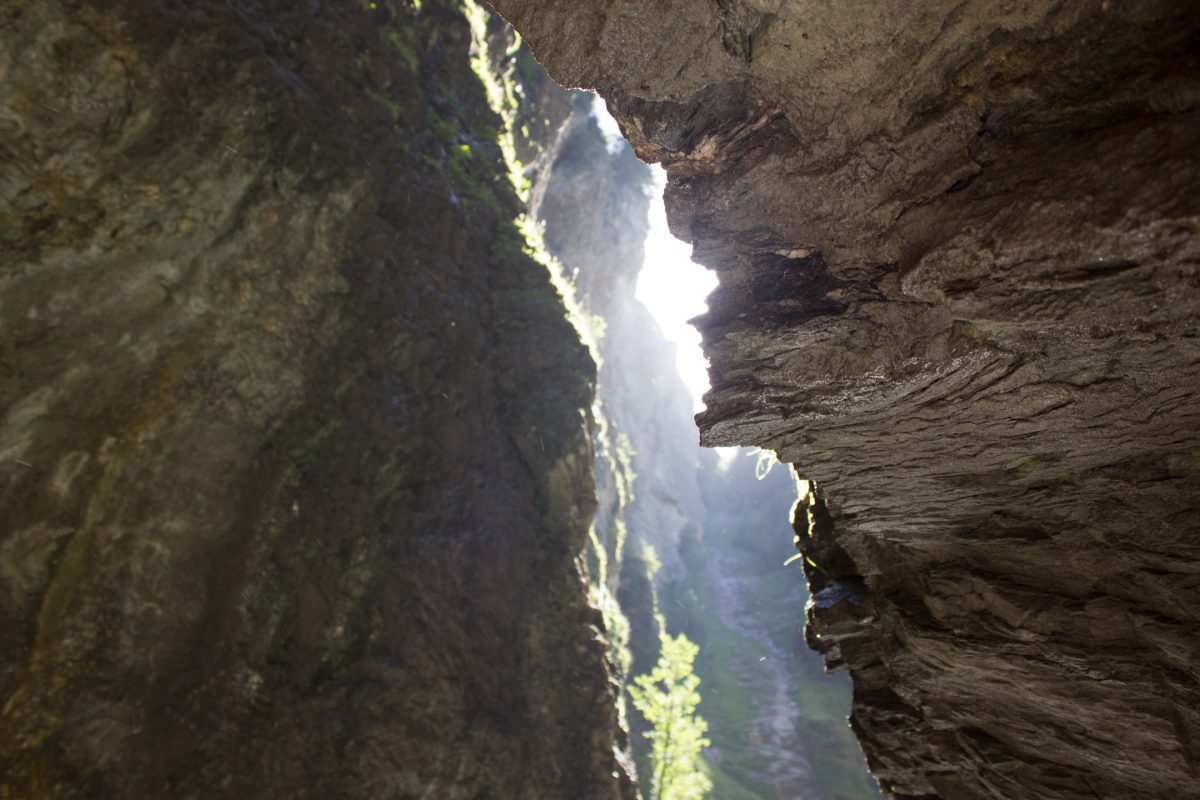
Liechtensteinklamm

Somehow I’m already writing another blog post, which feels a bit excessive, but everything happens so much. And hey, I’m a Professional Blogger at the moment, so why not?1
Anyhow, today was a trip up to a nearby park, about half an hour’s drive away,2 because if we’ve got nice weather, may as well take advantage of it, right?
And once again, I remembered my camera. Have a look at the pictures I liked:3

Categories
Austria

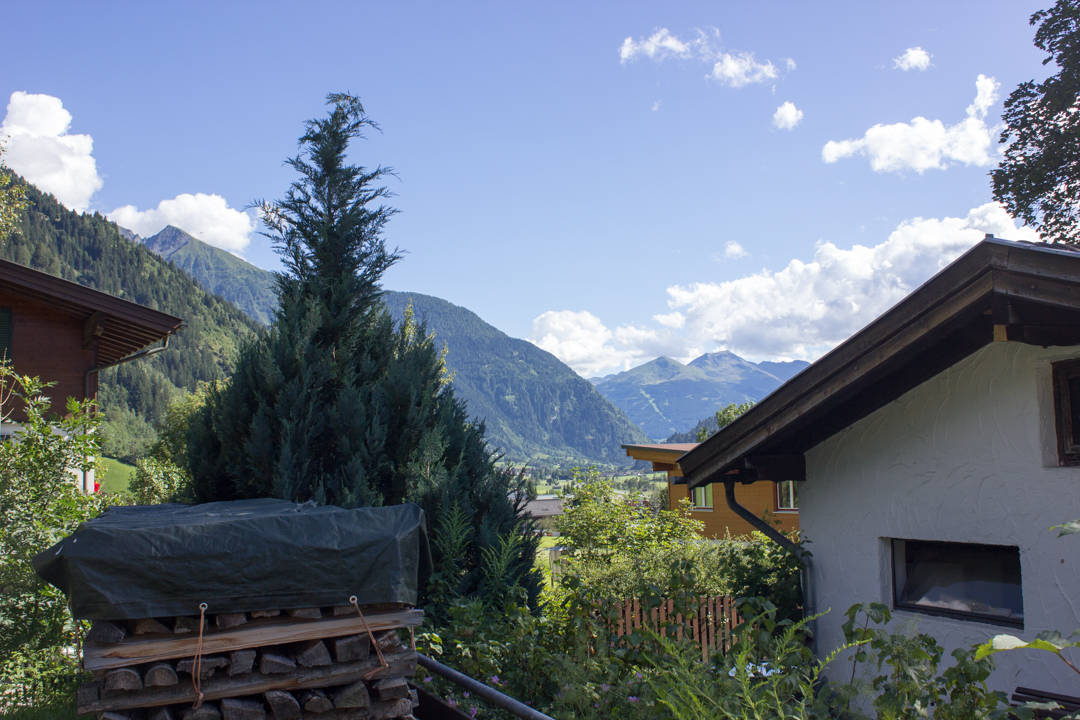
Arrival

After a rather grueling amount of flying, we’re here in Austria! I’m taking advantage of my body’s confused circadian rhythm to write this at a nice 6:30 in the morning, having already been up for almost an hour.

We landed at about 8:30 in the morning what feels like a couple of weeks ago, but looking at my calendar1 was actually only a couple days ago. From the airport, we went by the hotel we’d be staying at to drop off our bags – the rooms wouldn’t be ready until later in the day – and then took Vienna’s impressive public transit system to the Austro-American Institute of Education for our initial orientation. Getting there was fun – it’s just a couple of trams away, but because Vienna is Vienna, there’s a lot of stuff to see on the way.2

After the orientation, we wandered around a market for a bit to get lunch3 and then made our way back to the hotel.4 I took a bit of an unplanned nap, and then we were off to dinner at an Italian restaurant a short walk away.5

The next morning we were up, bright and early, and off into a longer trek through Vienna’s public transit system. It’s an impressive system, with a lot of well-developed infrastructure.6 And then we were on the train to Dorfgastein, where I finally got my camera out and started taking pictures, because good lord, look at this.

Categories
Photography United States

Swamp

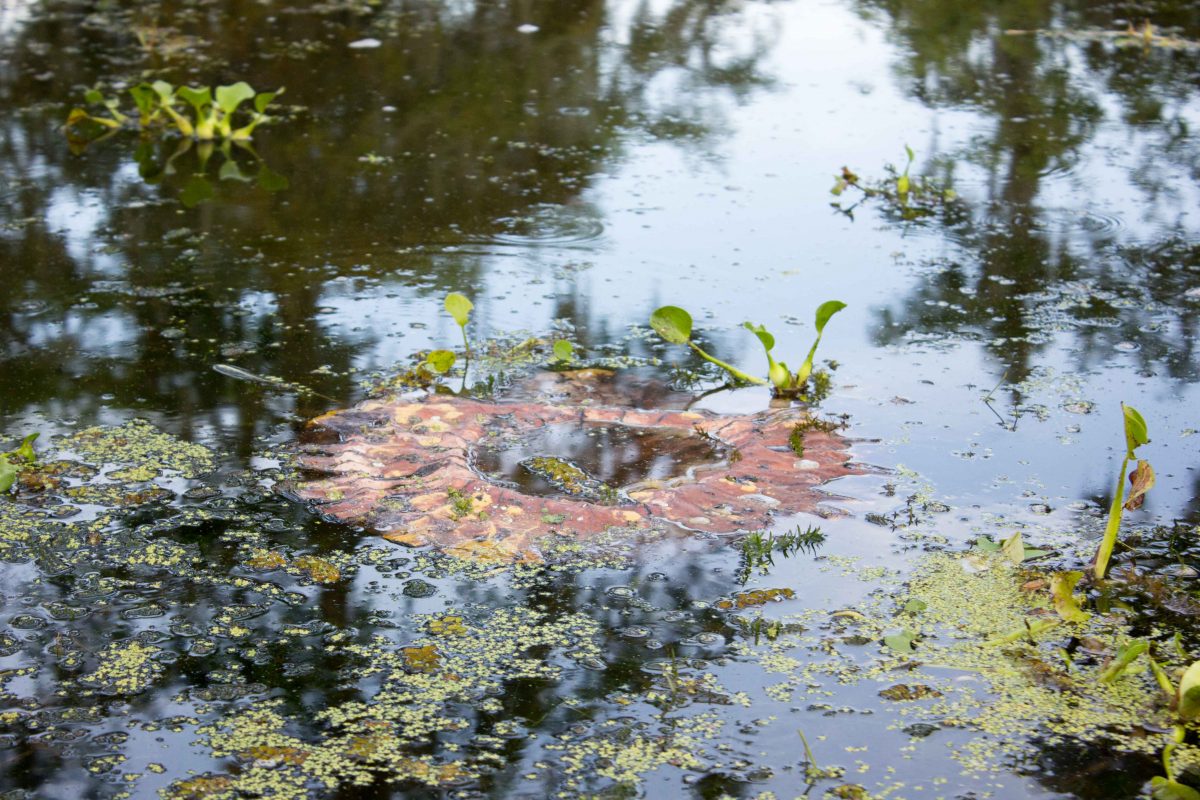
You can’t go to Louisiana without visiting a swamp. It took us until the last couple weeks of the program, but we did eventually get around to it, and boy was it wonderful. Some of the best weather (in my opinion, at least) that we’ve had the whole time – it was a cool summer day, and the brief spat of rain we had while we were out there was very light, of that nice kind where you never get wet enough that it won’t dry off after a couple of minutes. It was wonderful.
I brought my camera, of course, because how could I not? By the end of the tour – it lasted a couple of hours – I’d snapped almost 500 pictures. It was one heck of a trip, and I’m incredibly glad that I went. (It also turned into one heck of a road trip getting back – the Atchafalaya Bridge had a couple accidents in the direction we were heading, and we wound up taking a detour that more than doubled the actual length of the bridge. It was an Adventure.)
As I write this, I have been sitting down for a couple hours, working away at sorting those pictures. By the time this goes up, I’ll have posted a few on my Instagram, because I’m not above a bit of shameless self-promotion. For the ones I kept for this here site, head below the fold.

Categories
Photography United States

New Orleans

Recently, we (the REU group) spent a day in New Orleans, wandering around and basically being Touristy McTouristface.1

Anyhow, I took my camera with me – how can I be a tourist without it?2

So, if you want to see some pictures of New Orleans looking pretty, head below the fold. (And I’ll add that ‘in pictures’ is one of the better ways to experience the French Quarter – it’s old, the water table is very shallow, and that means that it’s a rather fragrant area, even after the invention of sewers.)

Categories
Photography United States

Capitol

So, not mentioned in my last post was the fact that, before going to Myrtles Plantation, we’d tried to go to the Louisiana State Capitol Building. Not that we were prevented from going or anything – it’s open to the public. (Though, admittedly, the fact that the main doors are blocked off is a bit foreboding.) The problem was more that it was very rainy, and we figured that the view from the top wouldn’t be the best through the clouds.

So instead we put it off for the next day. The weather was a bit better then – still cloudy, but not rainy and gross, and the clouds actually made it better, in my opinion.

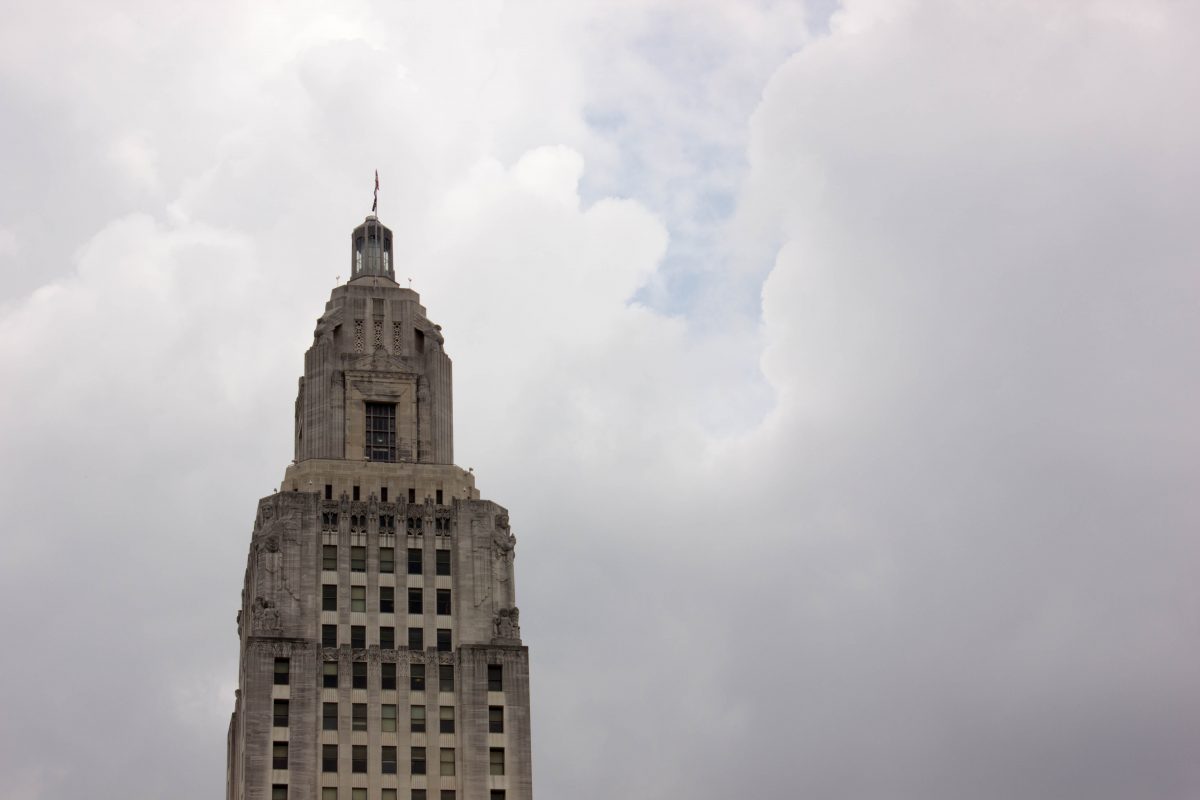
The Louisiana State Capitol Building was constructed in the 1930s, and it looks like something out of Gotham City. It’s very cool. Photos below the fold.

Categories
Photography United States

Myrtles Plantation

I’m sure I’ve mentioned somewhere that I’m doing a bit of traveling this summer, though I’m definitely too lazy to go back and find where, exactly, I mentioned that.

Still, it’s a thing. I’m spending the summer in Louisiana, doing research on neural networks at Louisiana State University. Which is a full-time job, 40 hours a week, 9-5 and all that, but my weekends are free and I do occasionally leave my room in my free time, so I’ve got some photos to show y’all.

This first set are from Myrtles Plantation, which markets itself as “the most haunted house in the American South.” Went with my family, when they made the trip down here to visit – my sister is a big fan of all things spooky.

I brought my camera with me, of course, because what’s a paranormal investigator without a camera? Photos are below the fold – I’m not a fan of making people load lots of images on the front page, even with the new CDN up and running. It’s rude to people on mobile, or with metered connections.

Categories
Photography United States

Los Angeles Against the Mountains

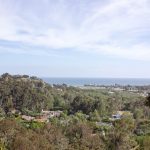
So, as I mentioned in my previous post, I’m doing a bit of traveling this summer. The first trip was down to Los Angeles, because that’s the only place where you can go to get an Austrian Visa-D, if you live on the West Coast.1

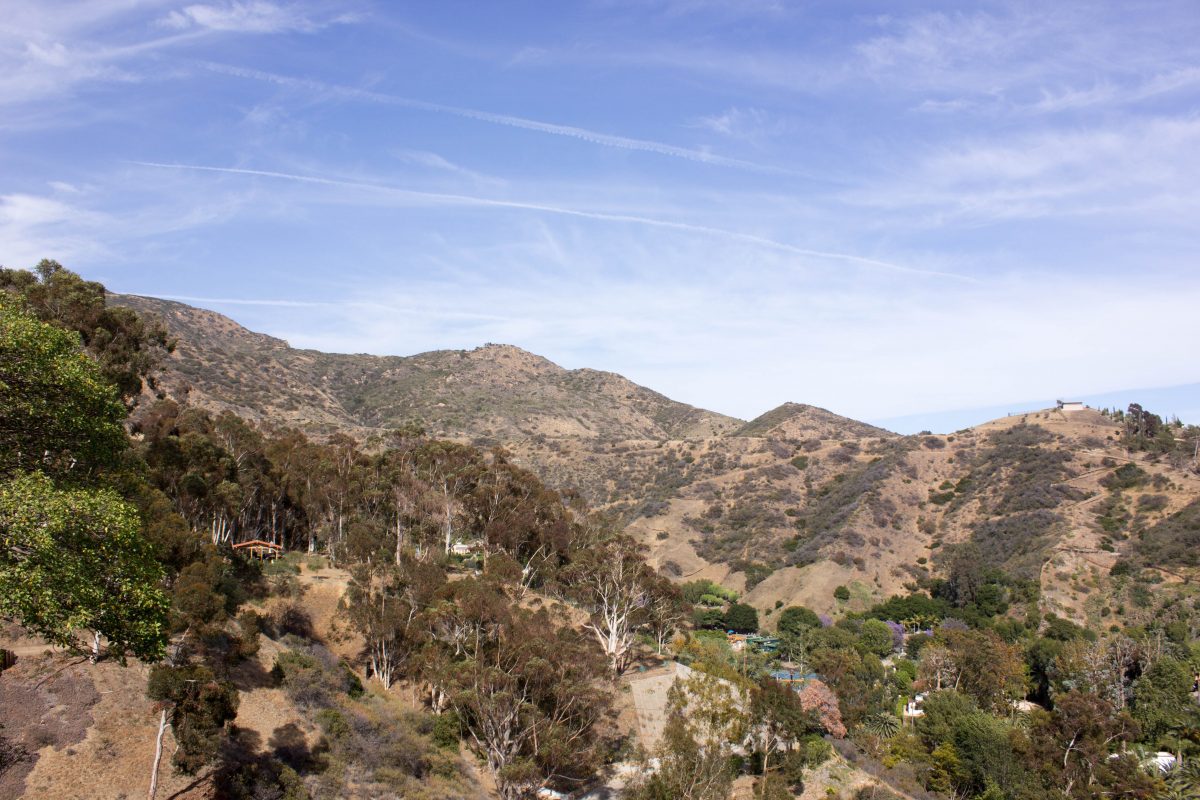
Anyhow, while I was there I was able to meet up with a family friend and take some pictures out in Santa Monica. There’s a conference center there, the Serra Retreat Center, and it’s got some awesome views. Take a look, and feel free to click on any of these pictures to see them in a larger size:

One of the things I wanted to do while I was in LA was look at the mountains. It’s something I’ve been wanting to do since I read the essay after which I titled this post: Los Angeles Against the Mountains.

I read the essay for an English class I took, fully expecting to hate it – I have an inherent dislike of anything that’s intended to be ‘literature.’ I was wrong: the essay was a fascinating look at an aspect of Los Angeles that I’d never considered. Long story made incredibly short, the mountains over LA are unstable, and the city has to deal with flooding that gets turned into pseudo-pyroclastic flows by the amount of rubble put out by the mountains. It’s a wonderful read, and I highly recommend it.


  1. Because heaven forbid we be able to turn in a stack of paperwork and get our fingerprints taken anywhere less than a thousand miles from home. 
Categories
Denmark

Cathedral

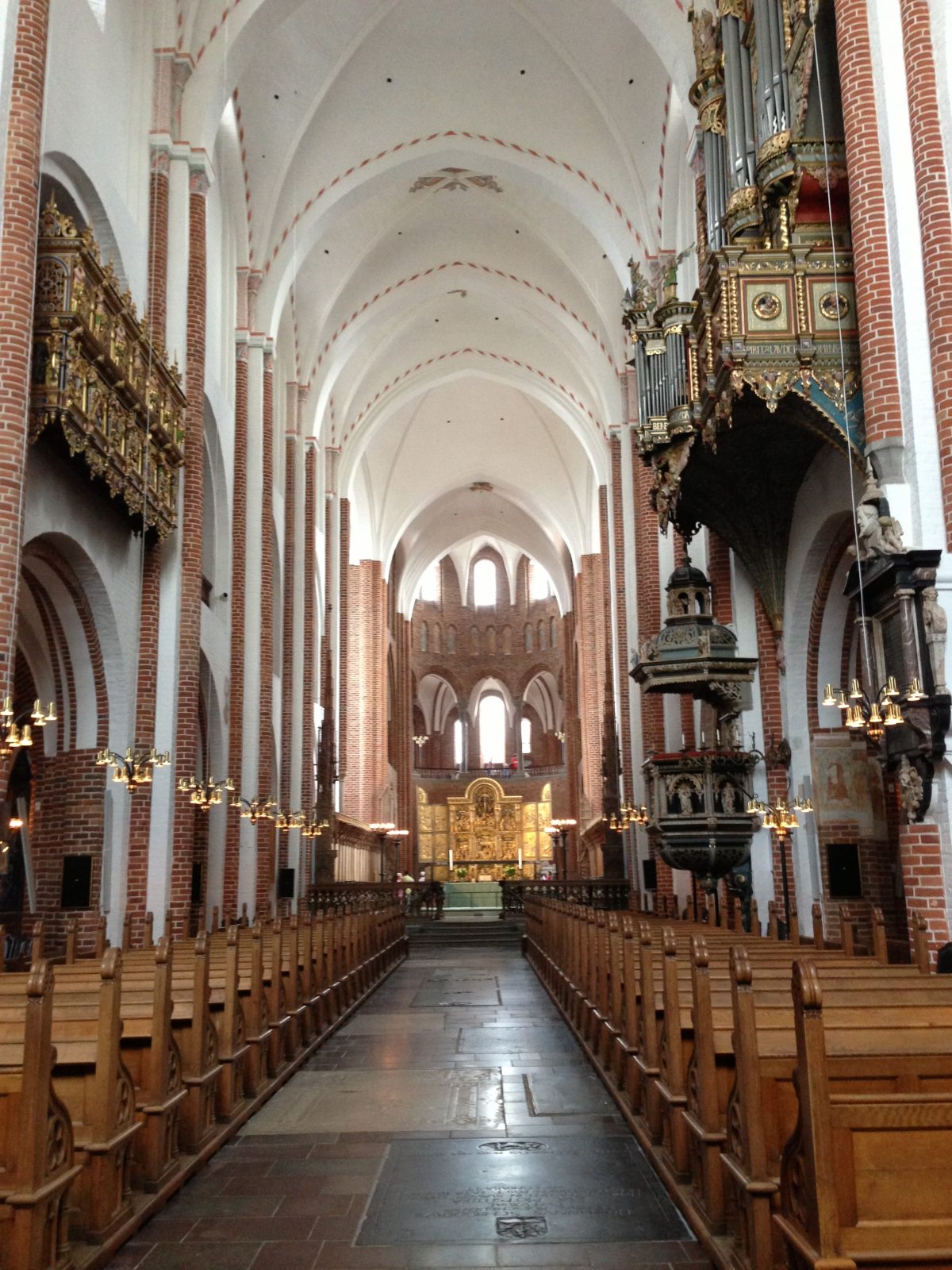
On Thursday we checked out of our hotel and started heading home. Made a stop along the way, at the ancient cathedral where the kings and queens of Denmark are crowned.2013-08-08 11.51.37

Categories
Denmark

Hamlet

On Wednesday, after visiting Frederiksborg Castle, we headed up to Kronborg Castle, where Hamlet was set.

2013-08-07 14.23.56