If I was shelving this, I’d have a tough time deciding between “literature” and “history” as the genre. It went back and forth; some sections felt like pretty straight history, while others sent me back to freshman year of college, reading Walden and Thoreau for a class on “writing the Western landscape.”
Whichever genre this falls into, though, I did enjoy the read. For all that I love the national parks system, I didn’t know much about the history, and this book really told that story well.
This is a Bookshop affiliate link – if you buy it from here, I get a little bit of commission. It won’t hurt my feelings if you buy it elsewhere; honestly, I’d rather you check it out from your local library, or go to a local book store. I use Bookshop affiliate links instead of Amazon because they distribute a significant chunk of their profits to small, local book stores. ↩
I went in with the wrong expectations here—I was expecting a purely-history book, and so the opening chapters being entirely autobiographical about this guy’s experience of going on hikes felt very weird. Over the course of the book, though, I adjusted to it being a split of history and autobiography, and I think Kenyon did as well, striking a better balance by the end.
It was nice that the book had, in essence, a thesis throughout: our public lands are the thing that truly makes America great, and we should be defending them against the predations of… industry and development, basically. And, as a bonus, this is something that we can build a bipartisan coalition around: “Cabela’s and REI” both agree that these public lands should be preserved for public use, if for slightly different reasons. But that’s the beauty of a multiple-use land arrangement; all the outdoorsy folks can do their thing.
Overall, I found this book quite enjoyable, and heartily recommend it. Check it out.1
This is a Bookshop affiliate link – if you buy it from here, I get a little bit of commission. It won’t hurt my feelings if you buy it elsewhere; honestly, I’d rather you check it out from your local library, or go to a local book store. I use Bookshop affiliate links instead of Amazon because they distribute a significant chunk of their profits to small, local book stores. ↩
Visiting a national park is always cool when you’ve got the opportunity. Virgin Islands National Park is… slightly more out of the way than many of them, but definitely worth checking out.
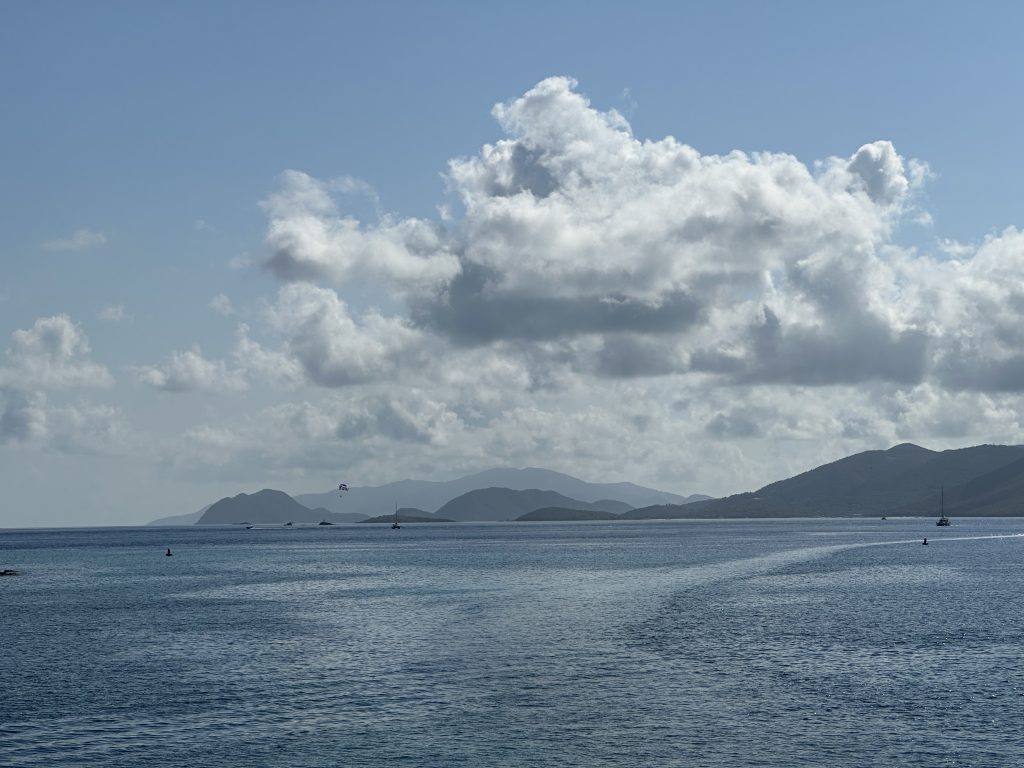
Getting there involves flying in to St. Thomas in the US Virgin Islands and then taking a ferry over to St. John. The view from the ferry is a pretty good introduction:
There’s a few options for ferries; if you’ve already rented a car, the Love Island Car Ferry is your best bet, and has a pretty reasonable schedule. Depending on which of their ships you wind up on, it’s worth hopping out after you’ve parked and paid/checked in and going to the upper deck to watch the ride.
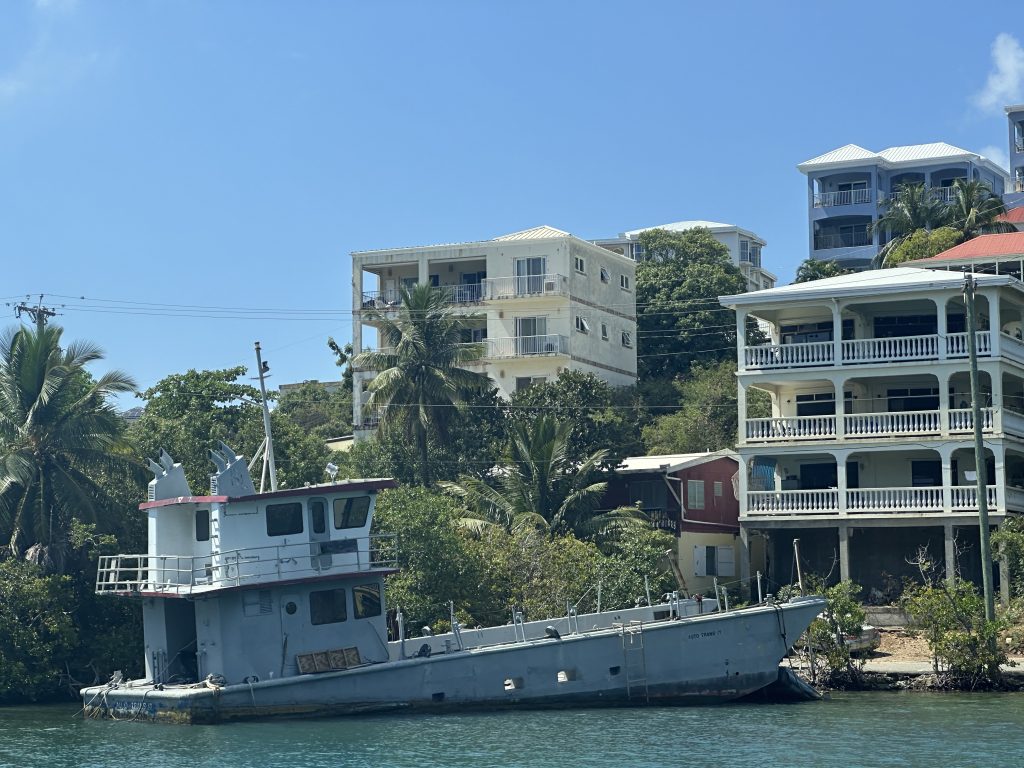
You’ll be dropped off in Cruz Bay, a dense town that doesn’t offer much by way of walkability, but overflows with options to rent… Jeeps, mostly, though there’s a some variety thanks to the Bronco.
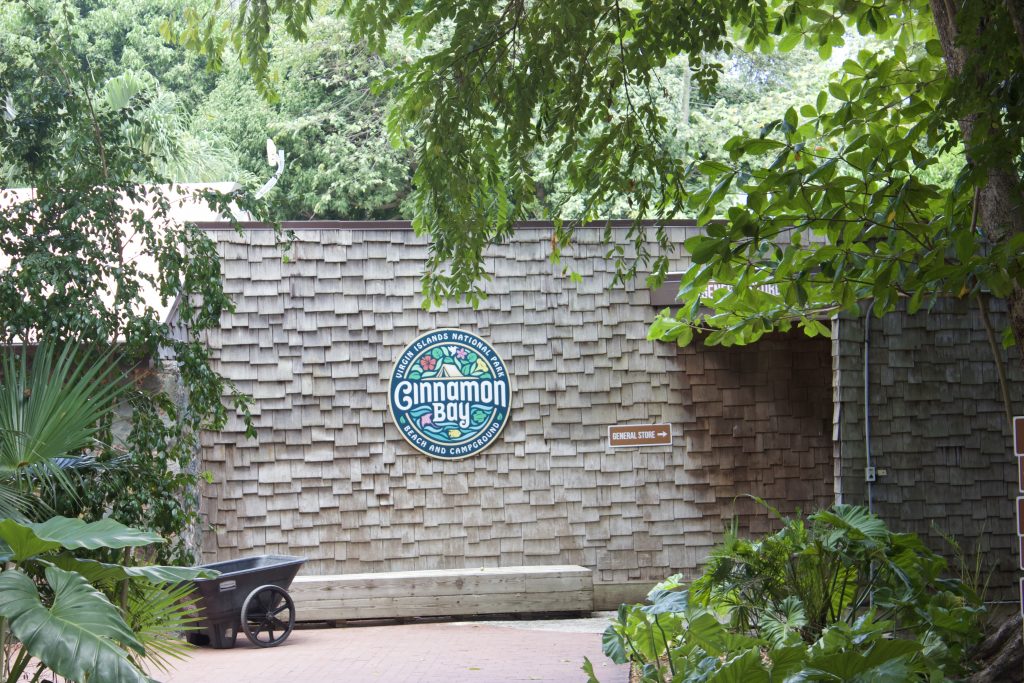
Get into the park, though, and there’s a whole lot to do. We’d hoped to do the Snorkeling Trail at Trunk Bay Beach, but it was packed, and hiking there from a parking lot that wasn’t at capacity seemed like a great way to get heat stroke. Instead, we wound up at Cinnamon Bay.
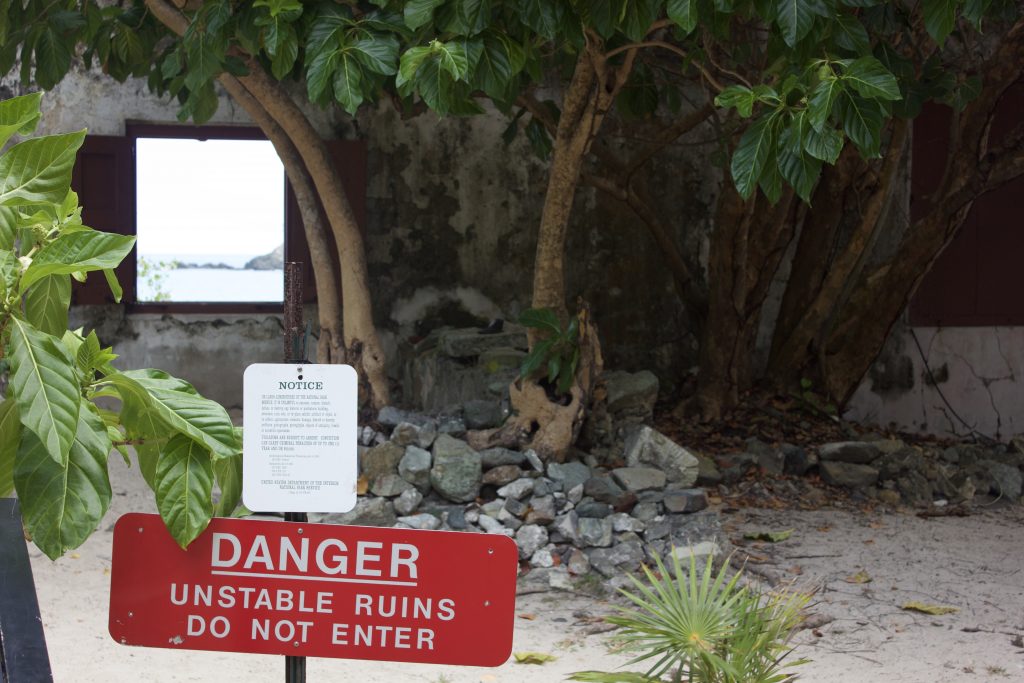
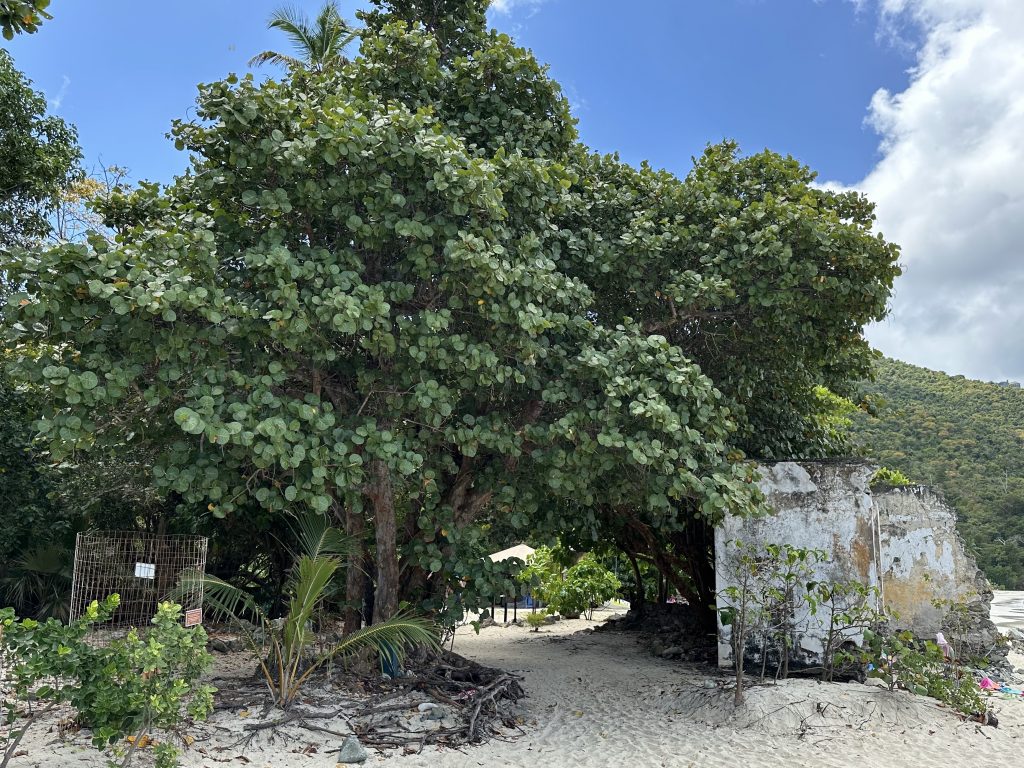
There’s a good setup; a campground, a little restaurant, and, once you walk past the park information signs and some ruins, the beach.
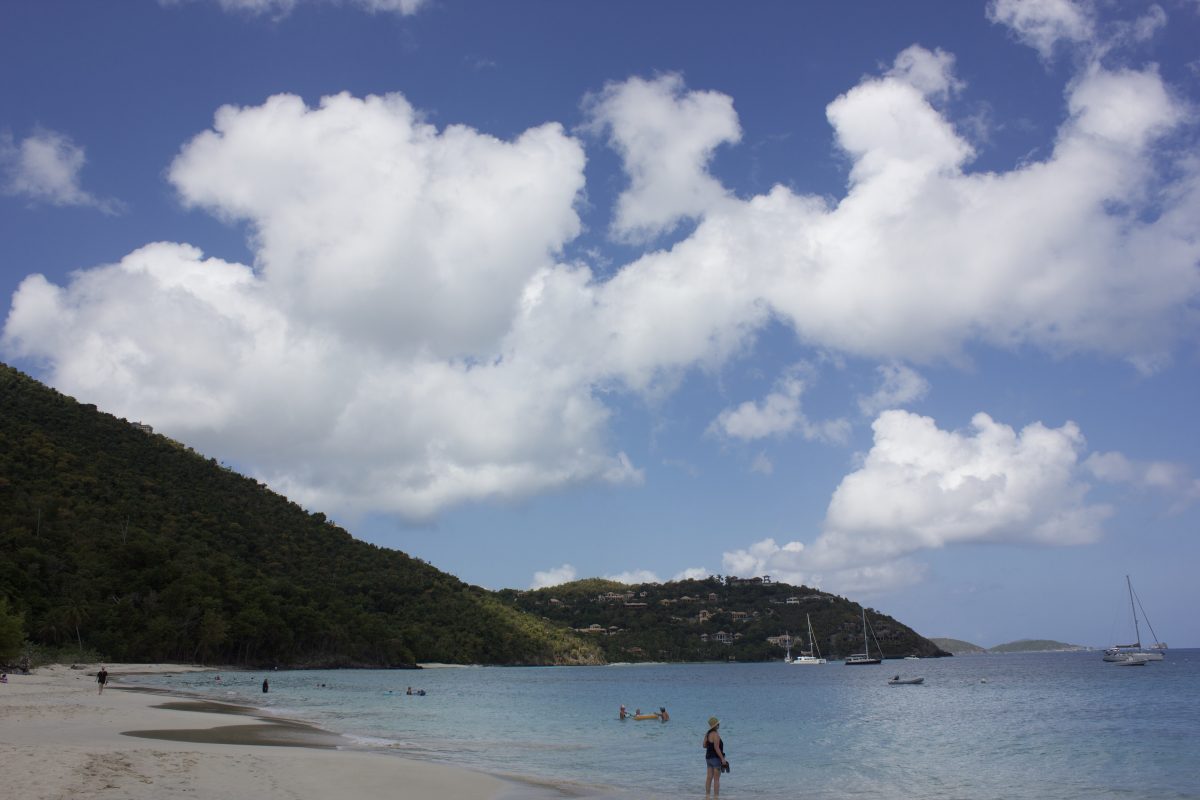
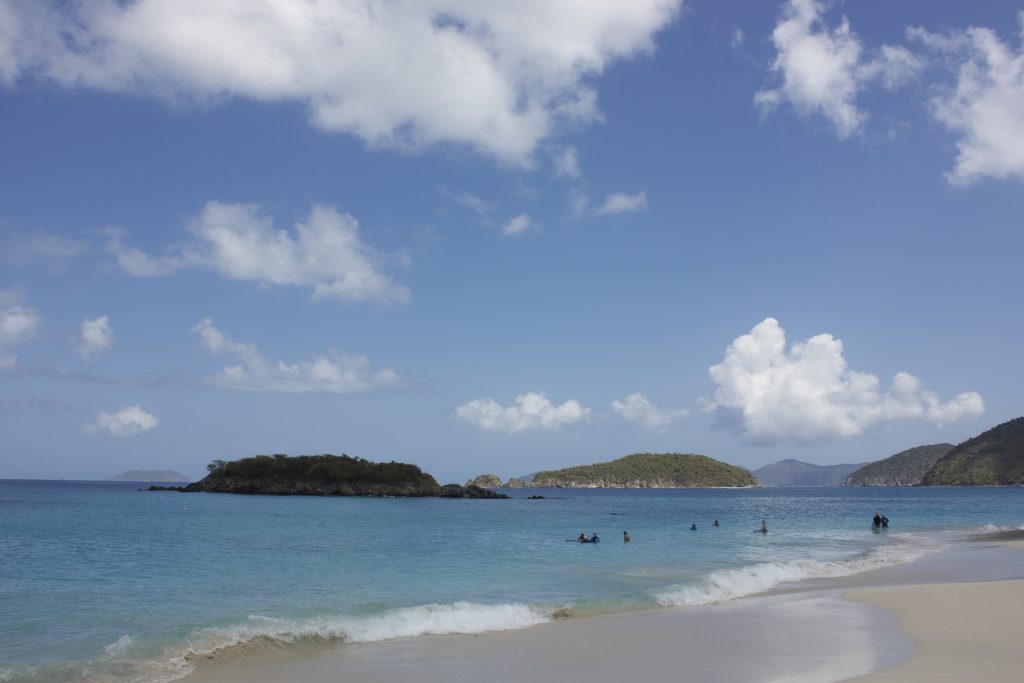
And oh, what a beach! The Caribbean, it’s got some great beaches, who knew? Though there’s no snorkel trail here, it’s still good snorkeling – almost directly out from these ruins, about level with the buoys, there’s a coral reef that’s fun to float around. (Treat the wildlife well, though! Don’t touch anything, don’t step on any coral, and make sure that any sunscreen and/or bug spray you apply is coral-safe.)
There’s also at least one stingray out there – we spotted him close to that rock formation on the left in the photo above. Sadly, the only “waterproof” camera I own is my phone, and the water resistance of an iPhone is more “you can rinse it off if it gets dirty” than it is “lol spend an hour underwater.”
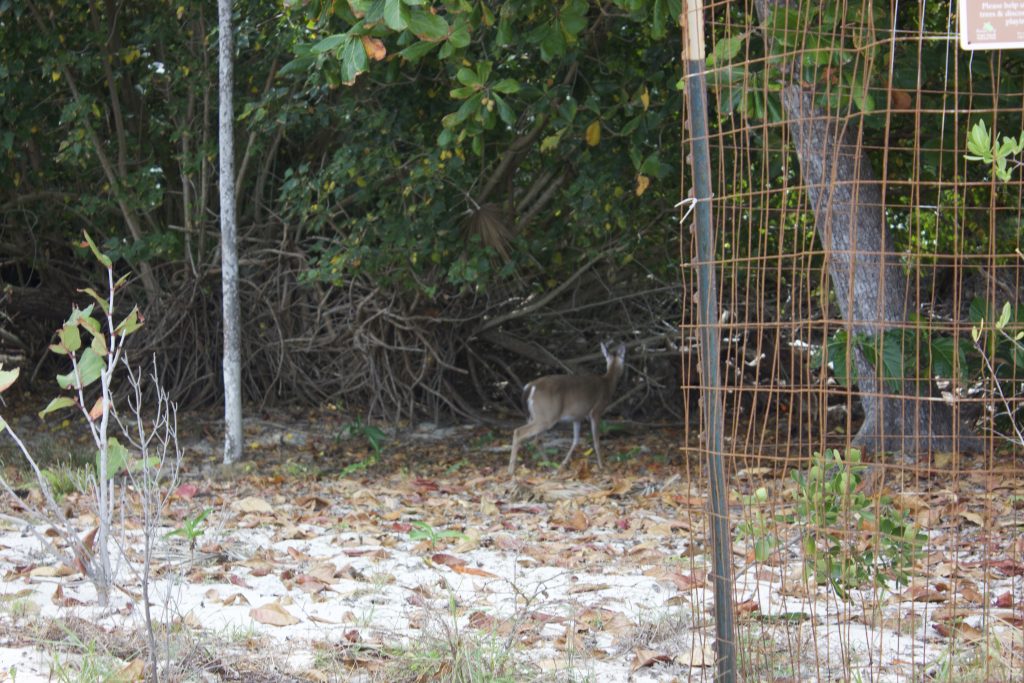
We also spotted some more terrestrial wildlife; a deer stopped to enjoy the view, as well, just a few feet behind where we’d put down our towels on the beach.
And, of course, what would a photography post of mine be without a picture of an aesthetically-appealing pathway?
This is my first coffee table book, and I’m quite happy with it as a representative of the genre. I’ve been a fan of the Fifty-Nine Parks series for a while—I believe, in my apartment, there’s now one of every product in their line-up.1 It’s just a really beautiful art series, inspired by one of the most incredible things the United States has ever done.2 There’s also a definite influence from the old Works Progress Administration posters, at least spiritually so, and that’s another style that I absolutely love.3
Beyond just being a beautiful objet d’art, the book is also a great way to get an overview of what all those national parks are. I may well wind up using this thing as a reference tome, especially as I contemplate visiting some of these parks.
I really highly recommend the whole 59 Parks project. As I’m writing this, their print shop is closed for a few months yet, but their partners for various non-poster items are still selling various things.4
Well, every product family, I don’t have every single poster. I’ve got posters, notebooks, and this book, and gave my roommate their board game at one point. ↩
Citation: search r/AskReddit for any of the monthly “non-Americans: what’s one thing America does right?” threads. The national parks are always mentioned. ↩
Citation: 9 out of the 11 posters in my apartment are in that “inspired by the WPA” style. ↩
And, I can add, restocking—some of the Field Notes sets were sold out for a while, but they’ve since reappeared. I’m glad that Field Notes isn’t being strict with their definition of “Limited Edition”, or I’d’ve been very sad that I missed my chance to get the whole collection. ↩
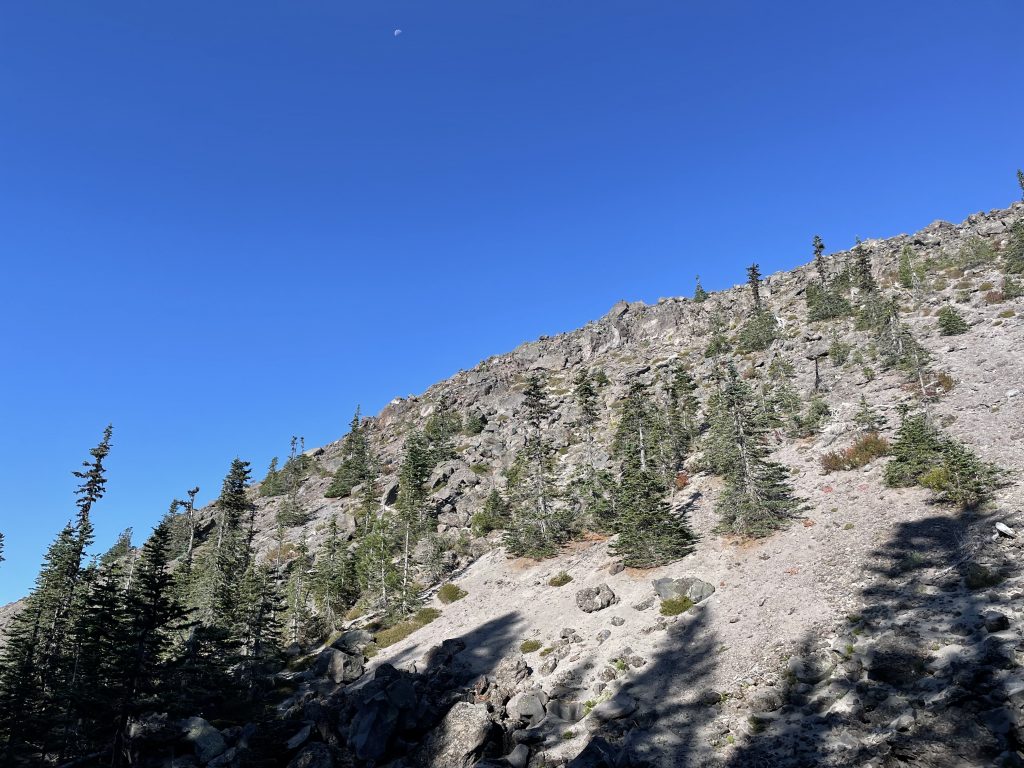
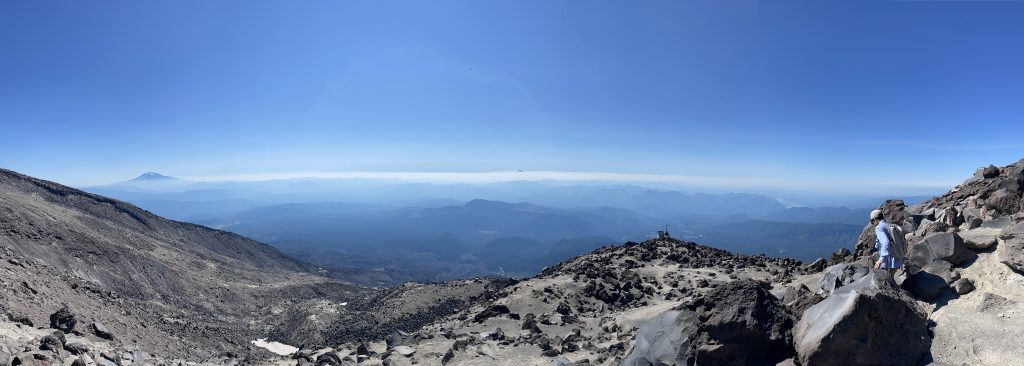
If you’re looking at that and thinking “hey, that looks like a lot of mountain to climb,” you’re right! It is a lot of mountain to climb, and from that angle, you can’t see the half of it. (Literally.)
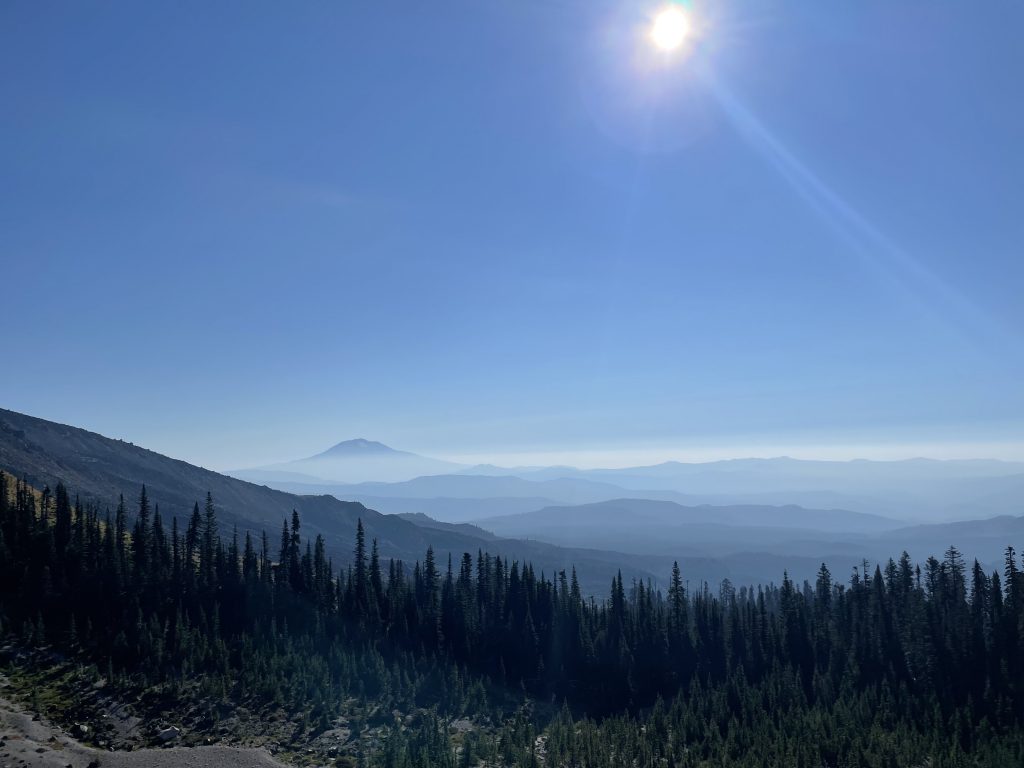
It’s an interesting hike, in three sections – the woodsy bit at the bottom, the bouldering bit in the middle, and the ash fields at the top.
This last photo was from the bouldery bit, but you can see a wash of the ash fields extending down in the back there.
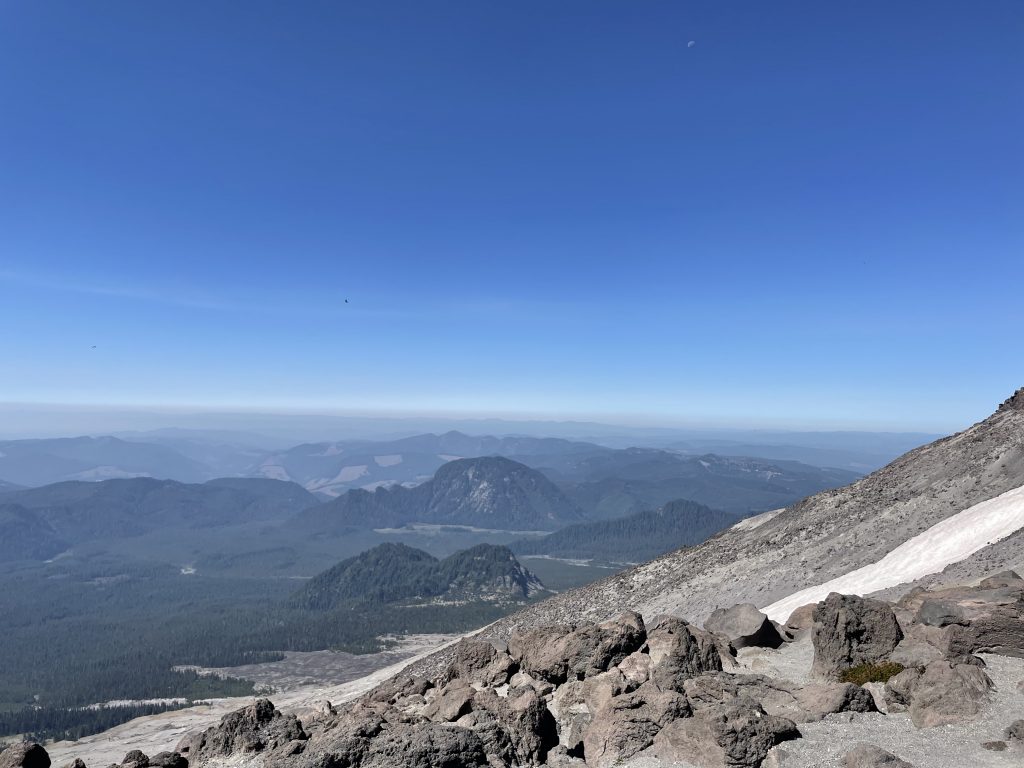
But now, dear reader, I must admit to you that I didn’t make it to the summit; I got as far as the ash fields and realized that, if I tried to continue on to the top, I’d wind up replacing my “I went on a cool hike!” story with an “I went on a ride in a Forestry Service rescue helicopter” story.
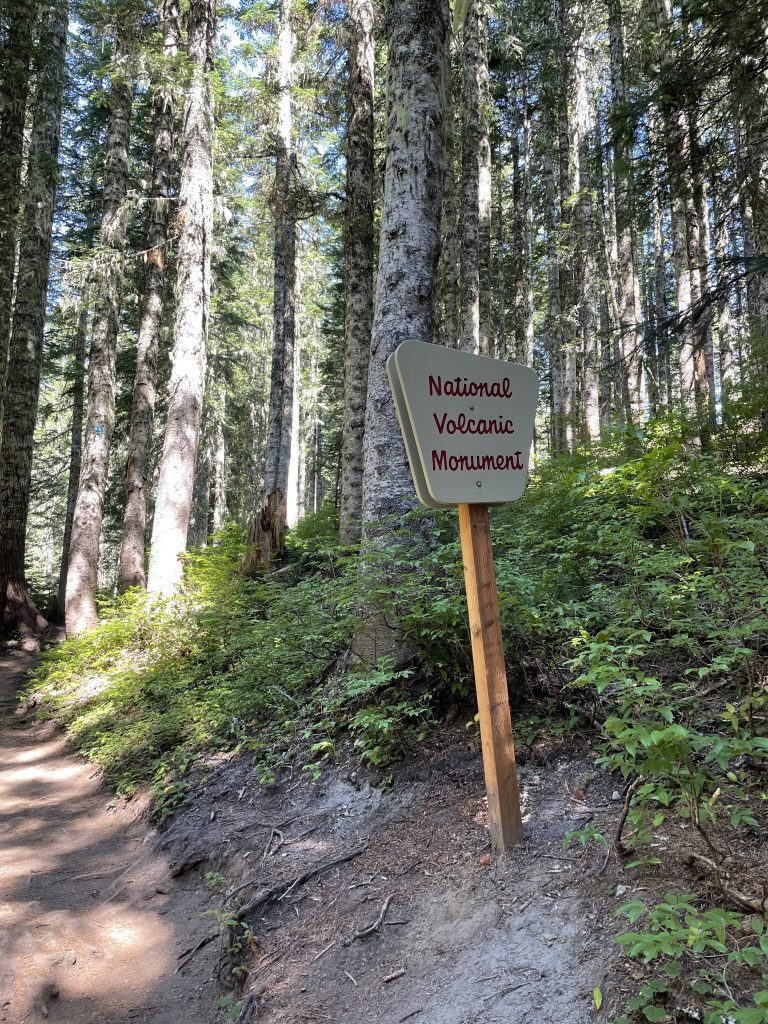
One day, I’ll be back. And hey, it was a cool hike! Anywhere with signage like this is going to be a cool hike.
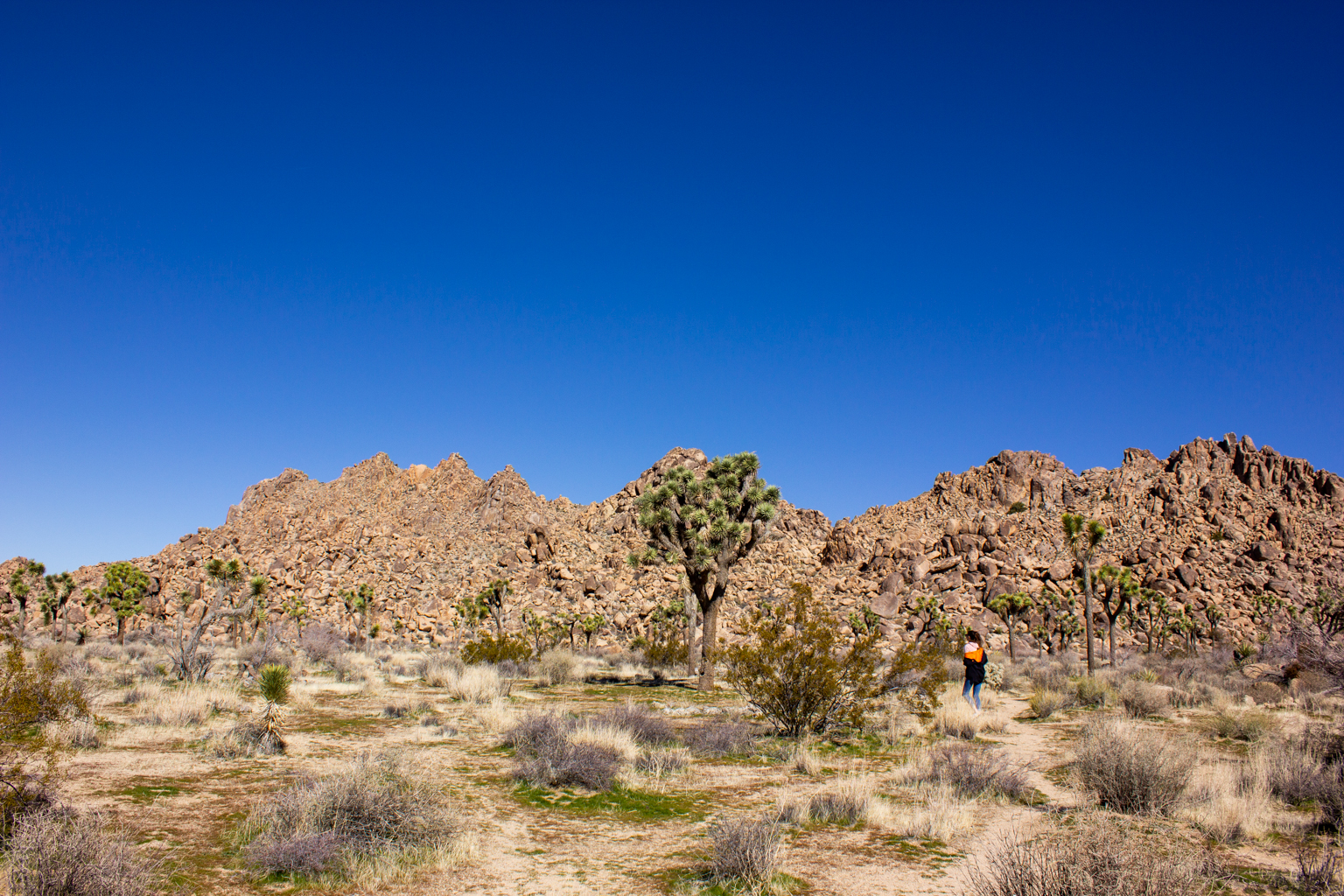
Joshua Tree National Park has been on my ‘places to visit’ list for quite a while. Honestly, I’m not sure how it wound up there, but I’m happy it did – from what I saw, it’s a pretty cool place.
(I was told by a friend that you should really try to stay for the whole day, especially sunset, and just see what it all looks like with different lighting conditions, but unfortunately wasn’t able to do that this time; next time, though…)
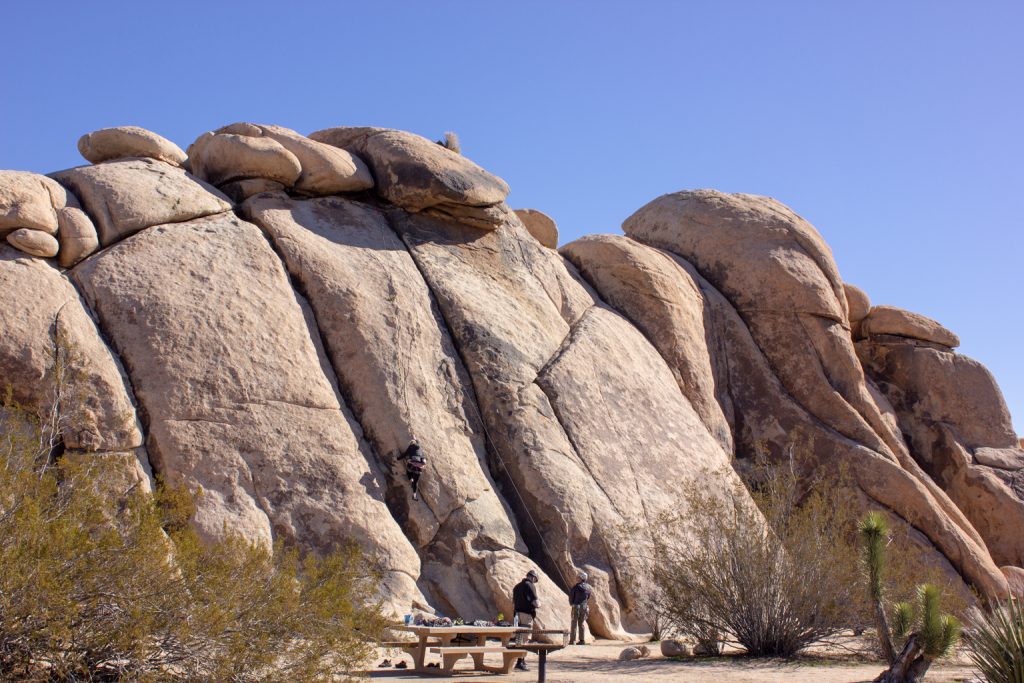
I also climbed some rocks, but the ones I climbed were… less vertical.
The park was established in the 1930s by FDR. At the time, the Works Progress Administration – among other things – was running a poster campaign intended to inspire the American people, I believe along the lines of ‘look at all this neat stuff our country has!’
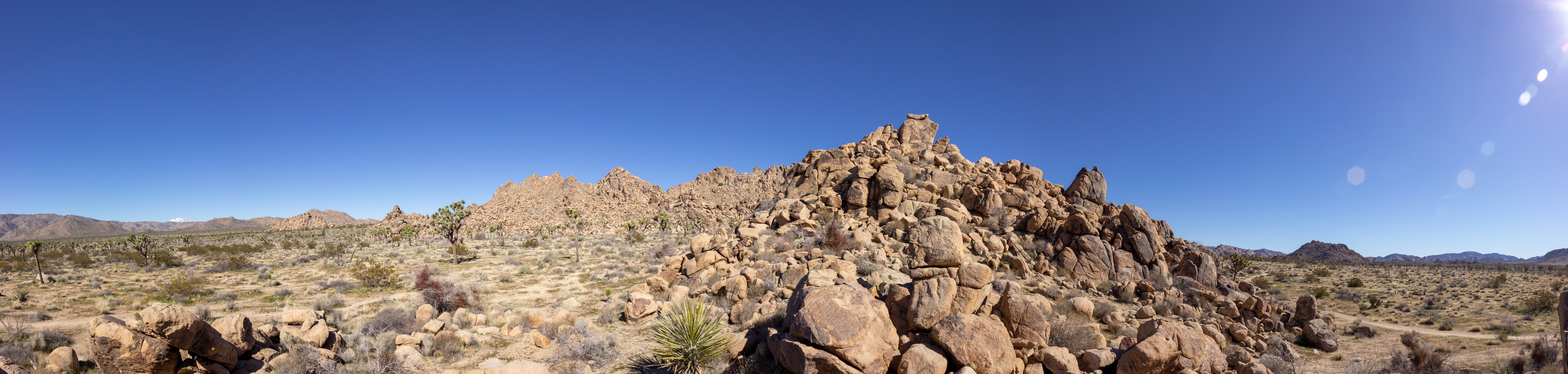
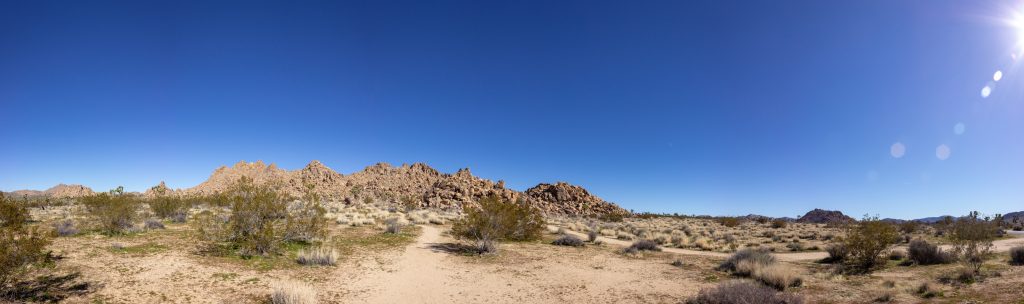
Panoramas are fun.
As far as I can tell, Joshua Tree didn’t get any of those posters, unfortunately; something about the federal government very busy all of a sudden.
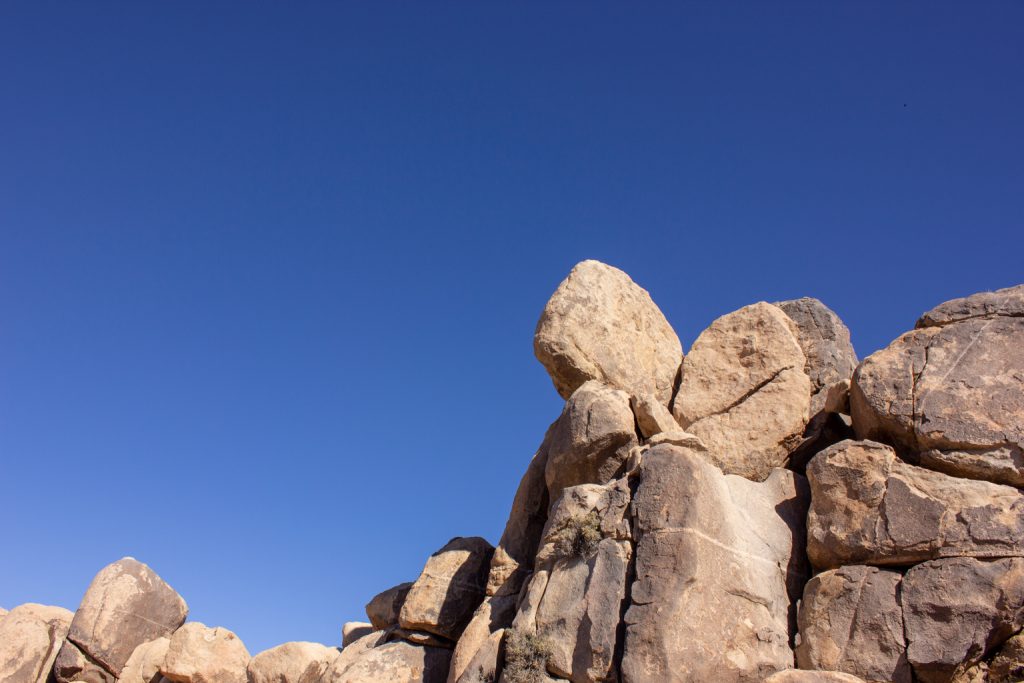
Seriously, these rocks are fun to climb. I wish I’d brought some proper climbing clothes, I would’ve… probably injured myself much worse than the scraped elbow I got.
A lot of the posters that were produced are lost now, more’s the pity. It was an interesting aesthetic, and I’m a big fan of the whole “advertising for the national parks” thing.
The nice thing about making these with a DSLR and Lightroom as opposed to my phone is that I can pause and wait for people to walk by.
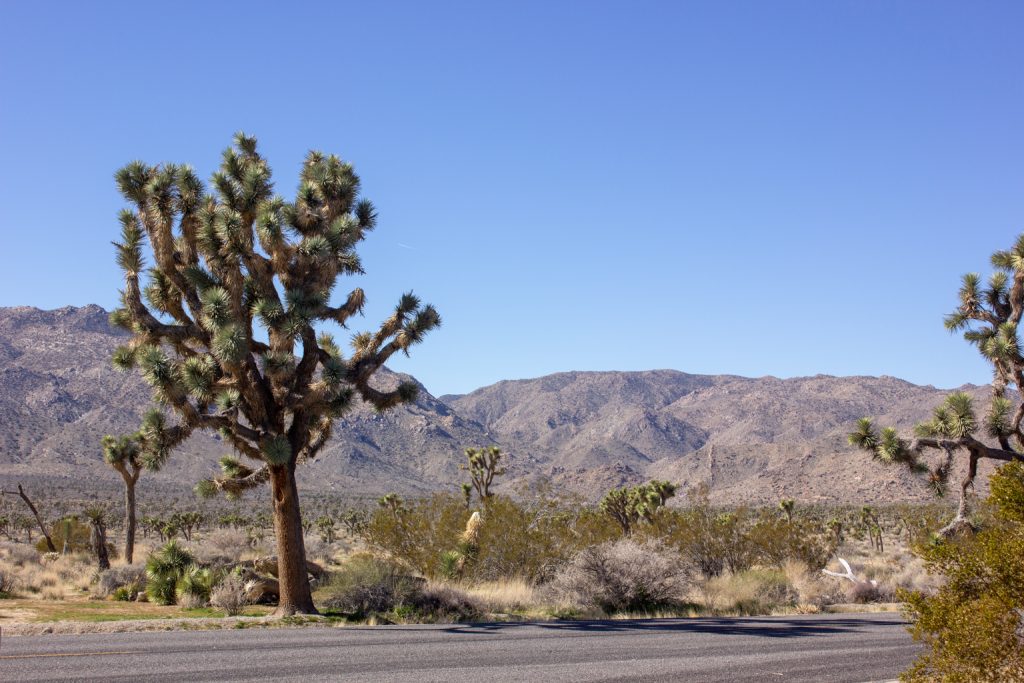
Fun fact about the Joshua Tree: they don’t form rings in the way that other trees do; when scientists want to figure out how old one is, the preferred method is to measure the height, then divide by the species’ average growth rate.
The moral of the story here is that our national parks are a treasure, and we should continue to support them. (And expand them! Write to your congresspeople about it.)
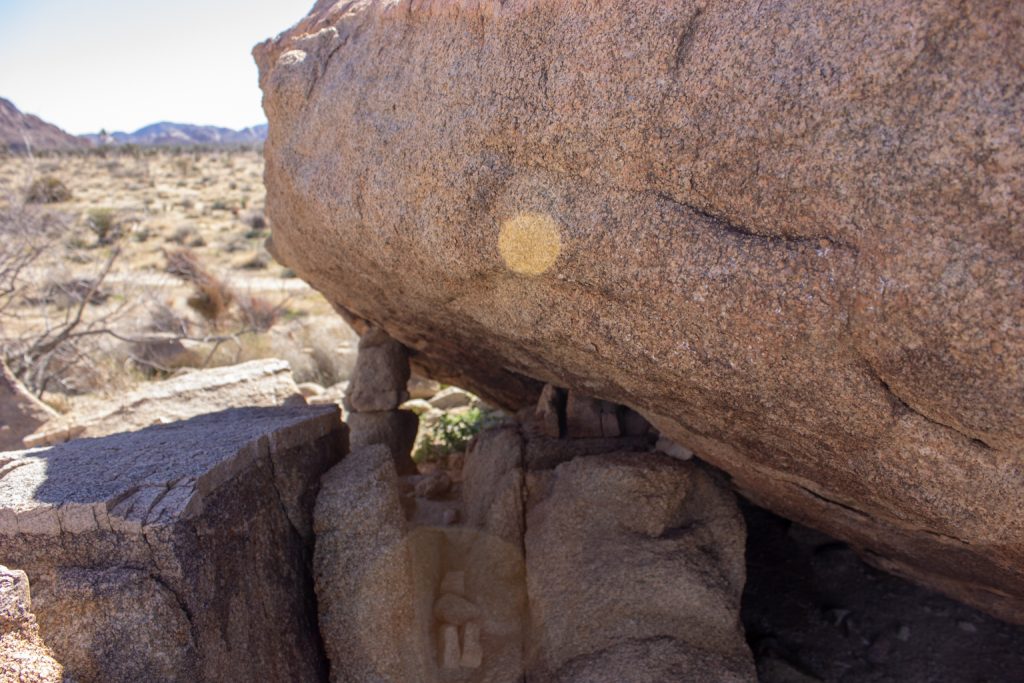
I titled this photo ‘support’ before I started writing this post, so it’s really just an amazing coincidence that I worked it in right after I talked about supporting the parks.